On Quitting: How Sobriety Prepared Me for Infertility

And what came next…
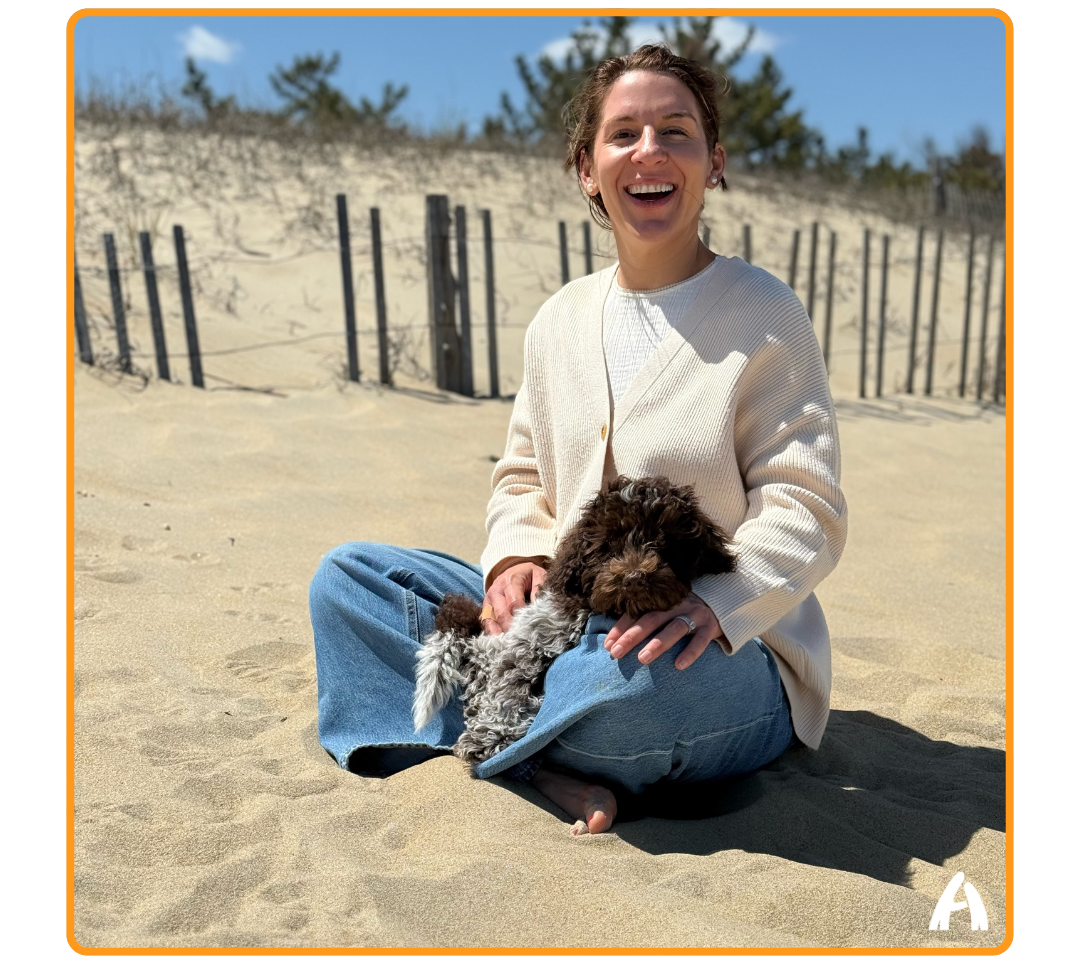
Today we have a guest post from the lovely Lexi Weber Johnson, whose work I didn’t know until she reached out to me to pitch this story about sobriety, infertility, and auntiehood. I took a look at her newsletter, Not Expecting, which turned out to be really thoughtful and well-written, and I loved Lexi’s post idea, so it was an easy yes. But I didn’t realize how truly great this piece would be until she sent along a draft.
I just – I just love this. I love Lexi’s writing. And I want more people to recognize how auntiehood can arise in unexpected places – such as at a 12-step meeting. Specifically, I want those of us who’ve experienced involuntary childlessness to recognize how, when we’re ready, auntiehood can be a balm.
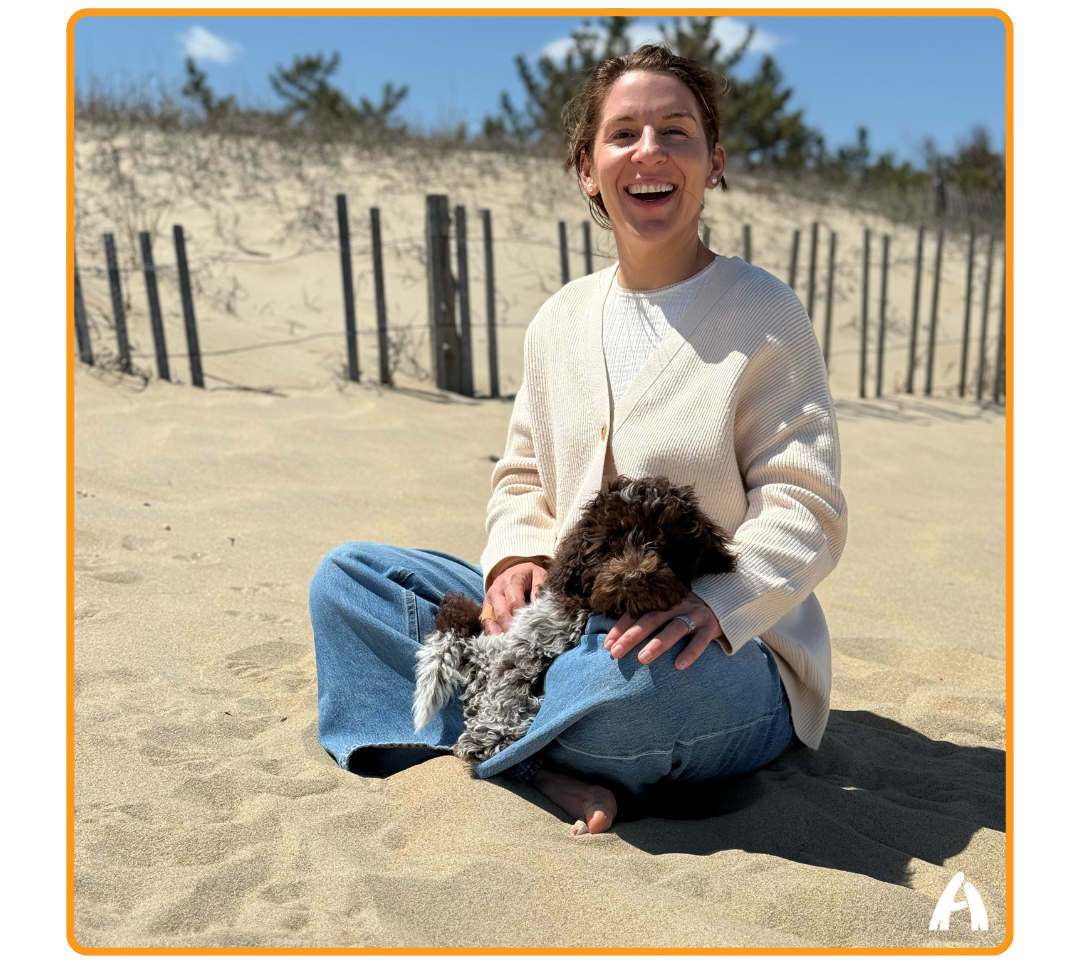
My rock bottom wasn’t cinematic. There was no grand epiphany or spectacular breaking point. It was quieter than that. It was a slow accumulation of painful, devastating moments I could no longer ignore. It was the growing suspicion that I was missing my own life. Years later, infertility would feel the same way.
Early sobriety didn’t feel like freedom. It felt like exposure, like standing in bright, unfiltered light with nowhere to hide. Everything was sharper, louder, more insistent. The emotions I had spent years numbing came back all at once without warning or mercy. I didn’t yet have the tools to manage them, but I had the determination not to disappear again. So I learned, very slowly, how to sit with discomfort instead of numbing it.
Time, which once disappeared in a haze of cheap vodka and prescription medication, began to accumulate. Days turned into months, months into years. Sixteen of them, eventually. It was long enough to build something resembling a real life.
At first, I filled it slowly.
I got a job washing dogs, started going to a lot of 12-step meetings, and spent time with my family again. I made friends. I learned how to keep my car full of women who needed rides and how to ask people how I could help instead of disappearing into myself. I learned how to show up and I spent time with my elderly grandmother.
“This newsletter inspires me to be a better contributor to my own community."
I learned how to live in the world without drugs or alcohol. And somewhere in all of that, I met a version of myself I really liked.
Then, I met my husband.
We built a life together, made a home out of shared rituals: weekend grocery shopping, early morning coffee in bed, Friday takeout on the sofa.
Like so many couples who find themselves happy and stable, we began to imagine expanding that life. We got married, we traveled, we tried for a baby.
For years, I assumed that part would come. In meetings, I was always the one quick to hold a baby or scoop up a toddler and take them out to the playground so their mother could sit and listen. I would watch women rock their infants in folding chairs, half-listening, half-soothing, and I formed an image of myself there too. It felt less like a hope and more like a given. I imagined glancing across the room at my husband or handing the baby to him mid-meeting.
When it didn’t happen on its own, we turned to IVF.
The first round was filled with optimism. There were calendars, protocols, and early morning appointments. I learned how to measure time in injections and based success on the length of my follicles. It felt, at least initially, like effort would translate into outcome. If there was anything that recovery had taught me, it’s that if I followed the directions closely enough, I would arrive where I was going.
So, we tried again… and again.
Each round of IVF narrowed the space between hope and reality. Each ending that dissolved into the same outcome carried a slightly different texture of disappointment, anger, fatigue, followed by a recalibration of expectations. By the time the third one failed, our grief felt different from the others. We were depleted. There wasn’t much left in us to keep enduring the cycle of hope and disappointment. We finally asked ourselves the question neither of us had been brave enough to say out loud: How long do we keep going?

There is no script for what comes after trying. It isn’t exactly grief, at least not in the way people recognize. It’s subtler than that. It is a life gently but definitively rearranged around what did not happen. It is anticlimactic and lonely.
I felt the familiar pull to withdraw, to stay under the covers, to stop participating in my own life again. There were morning drives to work that I couldn’t finish, unable to face small talk about children in the shared office kitchen. I pulled back from social gatherings and grew rageful during menial tasks like selecting apples in the produce section. Life felt incredibly heavy.
So I returned to what had steadied me before. When everything felt like it was coming apart, I leaned into the twelve-step program that had saved my life. It was suggested that I look for ways to be of service, which is recovery language for asking how I can help.
But recovery, it turns out, is full of babies. They arrive with women at every stage. The newly sober, those coming back from a relapse, women years into rebuilding their lives. The babies are loud, immediate, and impossible to ignore even though I tried desperately to do so. They make my infertility visible in a way I am never truly prepared for.
One evening, I was sitting in a brightly-lit church when a woman handed me her newborn.
“Can you hold him?” It wasn’t really a question. I could see the exhaustion in her face, the urgency of it.
There was no version of me that would say no. My arms opened before my mouth did.
“Yes,” I said quietly, but she was already halfway to the bathroom.
The baby was heavier than I expected. His warm, soft head nestled in the crook of my arm and I watched his small dark eyes blink shut.
At first, this sort of service stayed contained to meetings. I found myself bouncing a baby on my lap so a young woman could drink her coffee while it was still hot. I rocked a little boy to sleep while his mother spoke. They were small, logistical acts that didn’t feel especially meaningful in the moment. They felt like keeping busy.
Then, almost without my noticing, caring for other people’s children expanded into every area of my life. At first, there was a kind of carefulness – not hesitation exactly, but people circled their request before making it, as if asking would be too much, as if needing an extra set of hands was something to apologize for. At times, there was confusion about why a couple without children would want to participate in parenting, as if it required an explanation we couldn’t fully articulate. All we knew was that the time we spent with children was helping to heal a wound, and in turn, we were helping people we cared about. My husband and I got invited to birthday parties at trampoline parks and were asked if we could pick up little boys for bike classes. My oldest friend in recovery asked me if I could hold her newborn son while she got some work done upstairs. I held him on my chest on their back porch for hours. My husband and I became the people our friends called when they needed someone to watch their kids.
The grief didn’t disappear just because I learned how to soothe someone else’s child. If anything, it sharpened at times. Often, a deep pang of anger would rush up into my chest unexpectedly while watching my husband lift a little boy’s body into the air so he could toss a basketball into the net. Sadness would get lodged in my throat in the quiet that came after reading the last bedtime story or during the disorienting moment of handing a baby back, their small, sweaty body heavy with sleep.
It’s difficult to describe that ache.
But there was also something else too. A steadier, more grounded feeling. It was a way of participating in care, in connection, in the intimacy of other people’s lives, without needing a tidy resolution in my own.
Children don’t ask who you thought you’d be or what didn’t work out. They don’t track timelines or tell you, “You’ll get pregnant when you least expect it!” They hand you a book or a toy or ask who your favorite Moana character is and expect you to meet them exactly where they are.
So I did. In doing that, I became, unofficially, an aunt. Not the kind defined by biology, but the one that takes shape after showing up.
Becoming an aunt in this way isn’t a substitute for being a mother. It is its own form of belonging, a way of supporting the infrastructure of someone else’s life by showing up consistently. Recovery was the first place I learned how to participate in a life I didn’t always feel equipped for. This kind of service requires a different kind of presence. I show up knowing the role is temporary but the impact might not be, and that is an incredible gift.
Nothing Sold, Bought, or Processed
The Auntie Bulletin is an ad-free, feminist, anti-capitalist publication that will never try to sell you anything and donates 100% of revenue from Bookshop.org affiliate links to organizations supporting vulnerable kids.
If today’s post made you think or helped you out, please take a moment right now to become a paid subscriber. This newsletter is a form of carework and carework advocacy, and it’s how I make a living.
Thanks for reading all the way to the end! You get the secret scoop that if you can’t afford a paid subscription due to financial hardship, you can email me at auntiebulletin at gmail dot com and I’ll comp you a 12-month paid tier subscription, no questions asked.