Where are the Trad Aunties?

There aren’t any, and that’s by design.
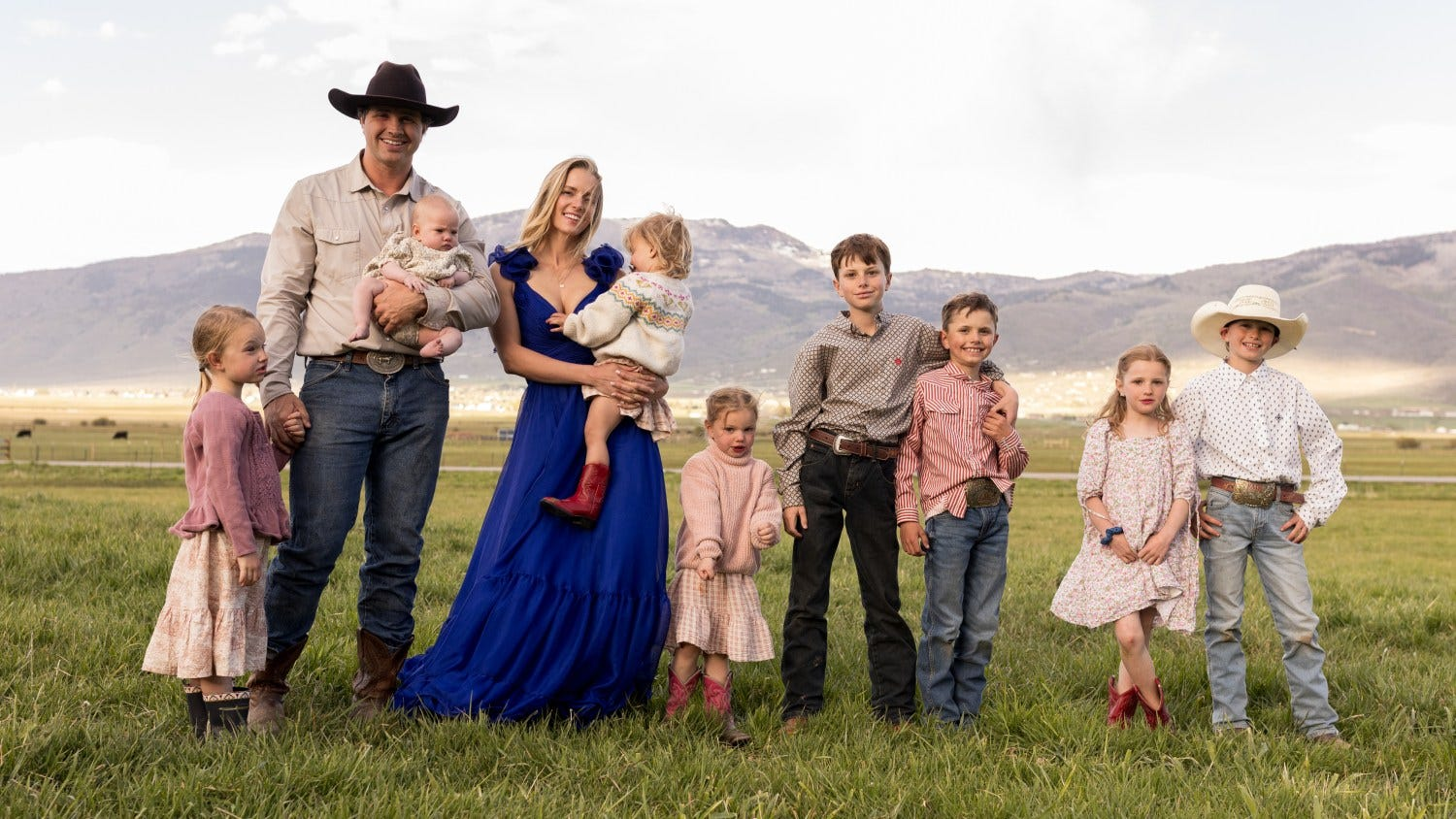
So, have you read Yesteryear? I read the first two chapters as a free preview in the public library’s Libby app, and I think that’s enough for me. I’ll say more about why shortly.
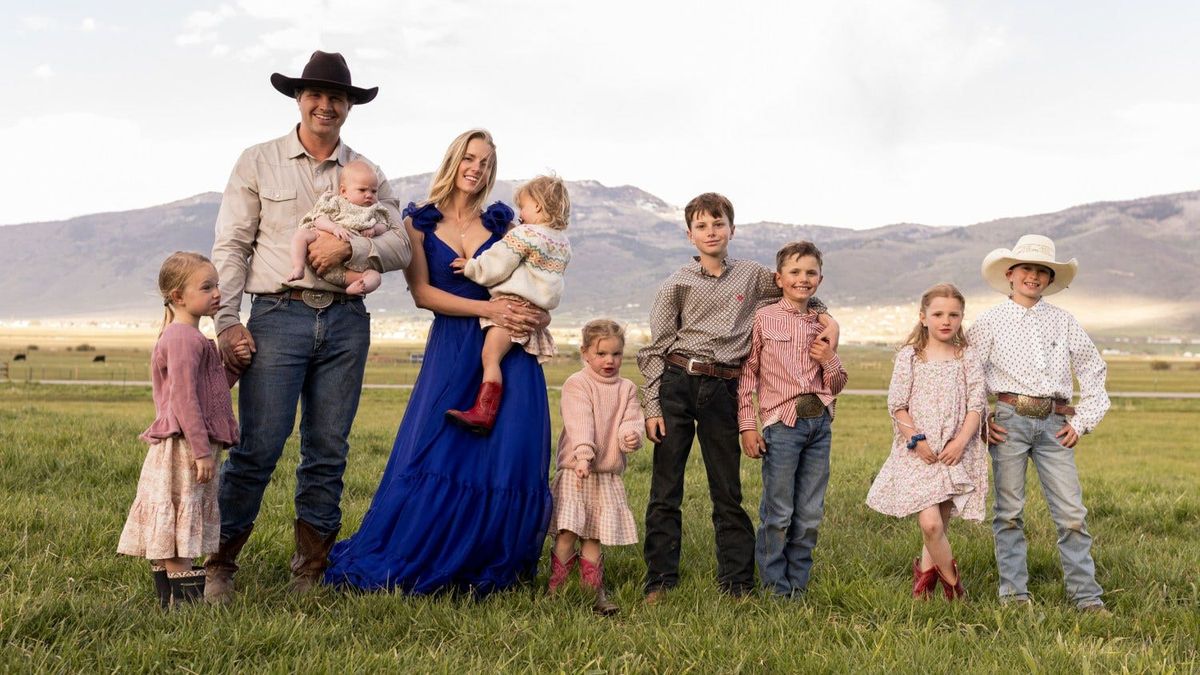
But first, for Auntie Bulletin readers who may not have heard of Yesteryear (hi, mom!), this is a recent New York Times bestselling novel about a so-called tradwife who lives on a ranch in Idaho with her husband, six children, two nannies, and a social media producer, and spends her life making very successful online content about the family’s homesteading lifestyle. One morning, she wakes up to find herself in the 19th century, forced to live the real version of the life she’s been selling online. To some it’s a refreshing comeuppance, to others it’s a horror story, to many it’s both. Some people love it and some people hate it and everyone’s talking about it.
Yesteryear is the latest major entry in a booming cultural discourse about tradwife influencers: real (often rich) women who sell a highly aestheticized (often expensive) version of household gender roles in which the wife defers to the husband, bakes everything from scratch, and births lots of blonde children for the glory of God. Christian nationalists love them.
I’m surprised to find myself wading into the tradwife discourse, because I’ve never followed tradwife influencers very closely. Other than the Substack app, I’m not on social media, which means I don’t often encounter tradwife-generated content. Most of what I know I’ve learned from writers I admire like Lane Anderson and Celeste Davis and Sara Petersen. But I haven’t been drawn to the larger discourse because it doesn’t feel like it’s for me. After all, there don’t seem to be any trad aunties –
Wait! What?
There aren’t any trad aunties!
Now then – what’s that all about?
I recently started thinking about this question, and it seems I do have some things to say. The overarching thing is this: there aren’t any trad aunties because tradwives aren’t meant to have a village. Tradwives are meant to be rugged individuals, supporting their husbands against a cruel, sinful world and lovingly raising their children with no support beyond the help of God. Tradwives aren’t meant to have friends. They’re not meant to trust or lean on other women. Aunties are antithetical to the tradwife project – but ironically, a life without cooperation among women isn’t very traditional at all.
Now, tradwife influencers are one thing – they’re clearly and explicitly selling something (their own lives, supposedly-natural products, the idea that women benefit from subsuming our needs to the desires of men) – but who I’m really concerned about are all the influencees. That is, it matters less that tradwife influencers are selling a capitalist, patriarchal, ahistorical vision of tradition, and more that lots of young women are buying it – to their own detriment, and to the detriment of children, communities, and the future.
Today’s post is about the devil’s bargain women have to make when we give up friends and community – especially aunties! – for the sake of a life that only appears simpler and more traditional. Along the way, we’ll unpack Yesteryear’s depiction of influencer-tradwifery and how it compares to Ballerina Farm’s whole deal, take a quick detour into the rugged individual → Manifest Destiny → profound unneighborliness pipeline, then turn toward a better set of traditions young women could aspire to. I conclude by recommending a different recent novel – one that offers a radical vision of how women and people of all genders can put care for one another at the center of our lives (also featuring labor strikes, train robberies, queer love, X-Men-like powers/afflictions, leather, lace, and motorcycles).
Let’s get into it.