The Life and Afterlife of a Shared Home

Co-housing doesn’t have to mean forever, and it doesn’t have to require owning a home.
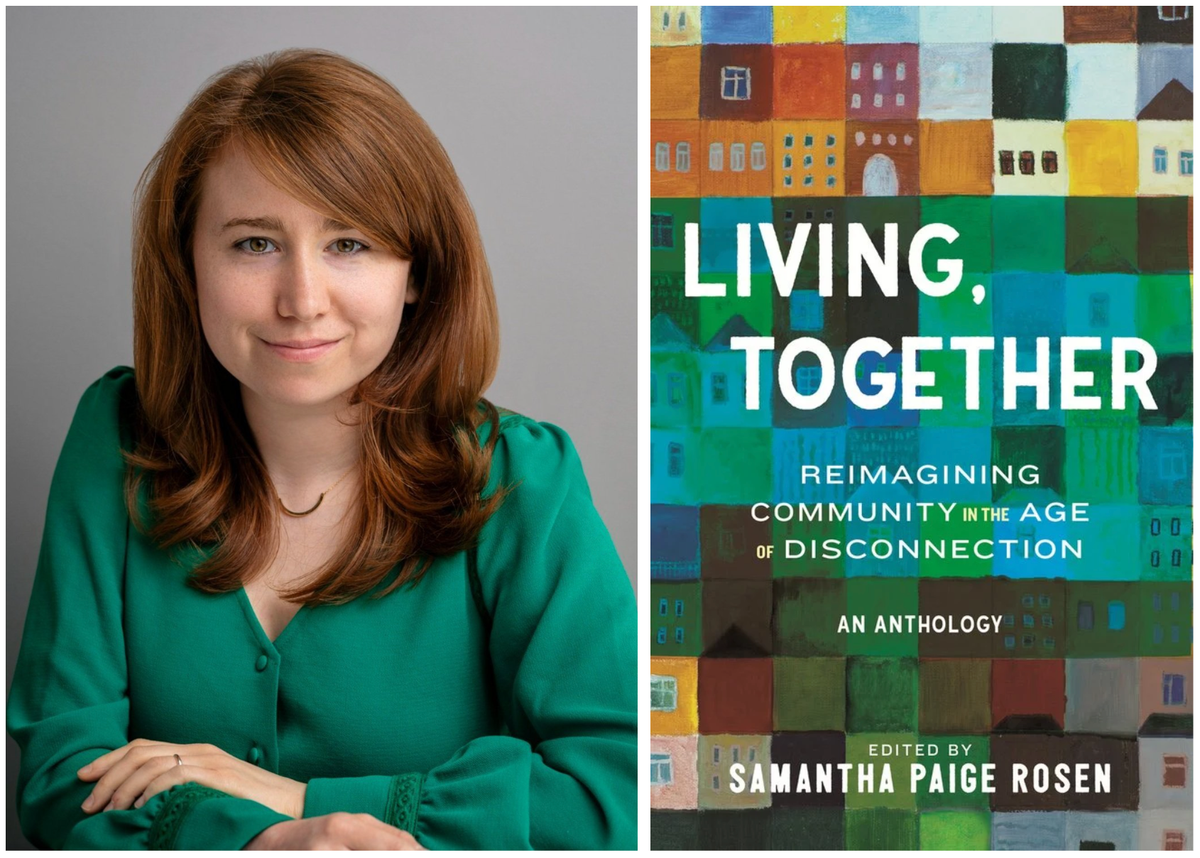
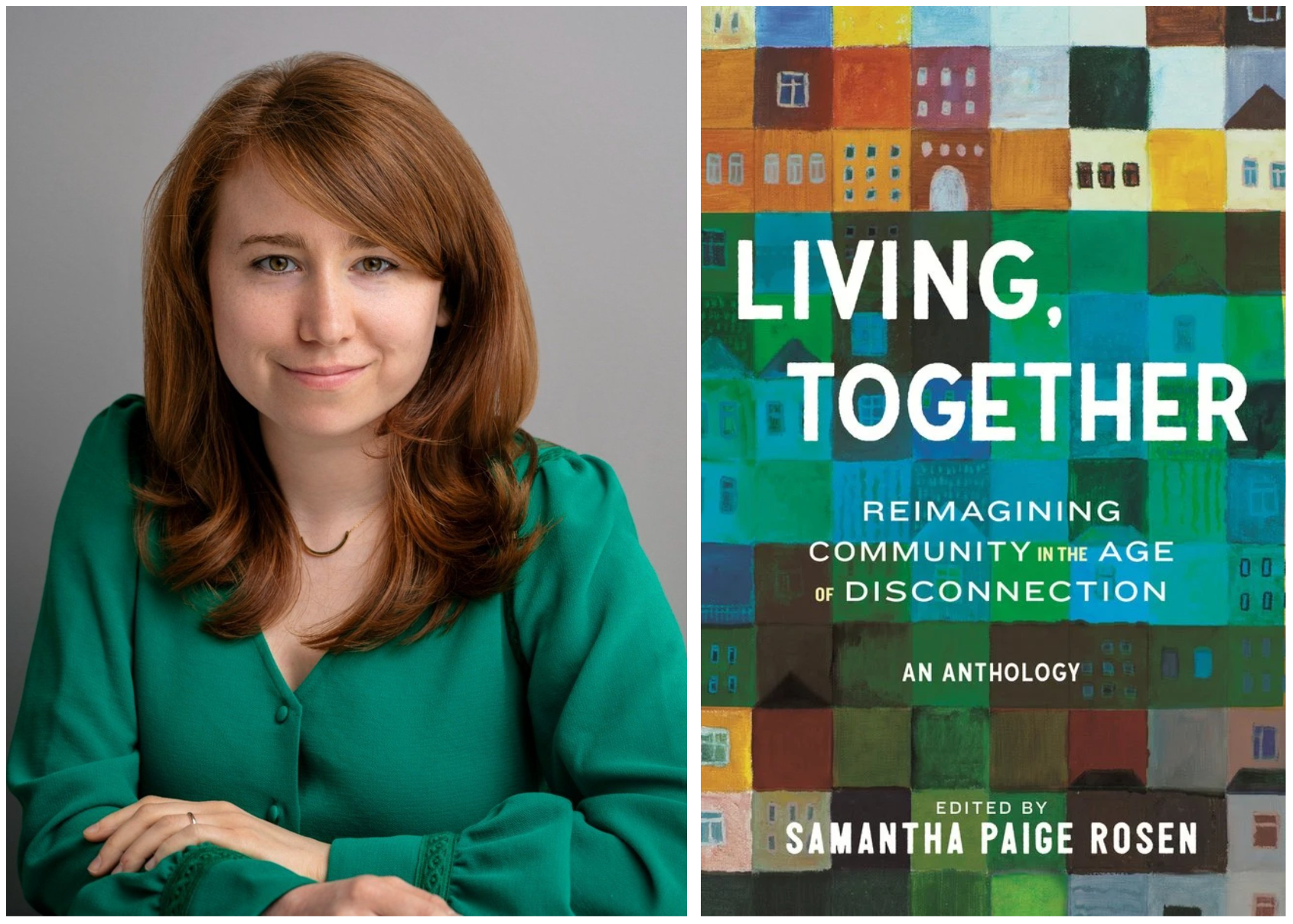
Aunties, today I’m excited to share with you Rhaina Cohen’s essay in Samantha Paige Rosen’s new anthology, Living, Together: Reimagining Community in the Age of Disconnection. As I wrote in the July care package, Living, Together is one of the best nonfiction books I’ve read this year, with so many amazing essays from so many amazing writers.
Anthology contributor Rhaina Cohen is the author of The Other Significant Others: Reimagining Life with Friendship at the Center – another truly excellent book (which is currently having a big influence on my own proposal-underway). Her essay is about the time that she and her husband made the decision to rent a house with their friends and their friends’ one-year-old. They didn’t know how well the arrangement would work out, but a year turned into two, including the arrival of a second child. Rhaina’s husband held the baby at the bris. Rhaina announced the baby’s name to the gathered loved ones. “The arrangement was temporary,” she writes, “but that didn’t make it shallow.”
This essay tugs at my heart because it’s the story, not only of a beginning and a middle, but also of an ending. Rhaina’s friends eventually have to move away. Seasons change, the wheel turns, new housing arrangements are arrived at – but all more communally-oriented because of the time the families spent living together. It’s a realistic and loving portrait of how collective living really unfolds, and how sharing our lives with loved ones changes us in the long term.
Savor this one, aunties.
Even before my husband and I moved in with two of our friends and their son, we knew this arrangement would have an expiration date. We just didn’t know how far ahead that date was.
I had casually brought up the idea of living together when the four adults caught up over Zoom in 2021. My husband and I sat at our dining table in Washington, DC, eating stew, as our friends Naomi and Daniel ate their own meal hundreds of miles away. They told us they’d accepted jobs in DC and would move down from Boston in a few months. My passing comment about sharing a home was vapor that quickly condensed into a dream cloud. The four of us began imagining our future mini kibbutz, a communal settlement that comes from the Hebrew word qibbūs.
A question trailed our fantasy: Was creating a kibbutz worth the trouble? Naomi and Daniel didn’t expect DC to be their long-term home. Naomi broke down the probabilities: 98 percent for two years, 90 for three years, 80 for four years, 20 for seven years. If we were going to live together for only a few years, buying a home didn’t make sense. The alternative – renting – felt like an unwise financial decision to me. My husband and I would have to leave our affordable rent-stabilized apartment for a more expensive shared space, which would slow our progress in saving for a down payment. But we decided we were willing to make this trade because of all the anticipated perks of life on the other side. Our shared home would be a hub for hosting; our friend circles would blend; our friends’ one-year-old, Yonah, would be a housemate – a particular boon for my husband, who’s known since childhood that he wants to have kids. (A friend recently described him as having “serious mom energy.”) We understood the math of mundane time together: the conversations in the kitchen as we scraped uneaten food off plates, leisurely walks to the playground on Saturdays – they’d add up to greater closeness.
As leaves started to reemerge on barren winter branches, my husband and I visited homes in DC and reported back to our friends. When we toured a house with distinctive wood detailing and a pergola in the yard, I began daydreaming of the dinners we’d host outside, illuminated by string lights. We quickly put in an application and lost the bid. Then Naomi, who’d been obsessively tracking rental listings, saw a Craigslist post for a row house that ticked all our boxes for location, size, and sunlight. During the visit, I was taken with the gingko trees lining the street, the nine-foot ceilings, the crown molding in the living and dining rooms. But the place was unkempt. Long strips of dark green paint hung from the house’s facade and metal bars on the windows blocked light. The landlord told us that the tenants were a rotating cast of recent college grads who left the house in such an unruly state that he started paying for a cleaner to come by regularly. We, by contrast, appeared to be responsible adults. When Naomi negotiated the rent price down by about 15 percent, I got an early lesson in her force of will.
We emailed the pdf of the lease back and forth until we had all four digital signatures. Never having lived together before – or even been on vacation together – we officially committed to being housemates.
We weren’t naive or in denial about all that could go wrong. We set up a plan in case the living situation didn’t work out: my husband and I would leave after a year, unless all the adults determined that we wanted to continue living together. And we did a “pre-mortem” instead of a postmortem, where you assess what went wrong after the fact. We assumed, as an exercise, that we didn’t want to continue living together after a year and tried to identify the most likely reasons. I pictured being frustrated by the needs and noises of a young child. The three introverts thought it might be hard to unwind in a full house. We couldn’t come up with a solution to every potential issue we identified. For instance, I hadn’t spent much time around young kids, so I wasn’t sure how I’d feel about a one-year-old’s company. But we could try to prevent some, like establishing the norm that we didn’t need to stop what we were doing to talk to a housemate who entered the same space. By addressing issues on the front end, maybe we’d avoid traps.
Our housing setup may have been temporary, but we didn’t operate in a state of limbo. We quickly settled in. We asked the landlord to remove the bars from the windows and fix the protruding nails on the floorboards, and we split the cost to wax the wood floors. Within a week, Naomi had art framed and hung on the walls of our shared spaces. She created an organizational system for our kitchen, and even revised it. Her determination aside, we probably would have rushed to get the house in order because of Yonah by attaching childproof locks on the kitchen cabinets, installing baby gates on each staircase landing, anchoring bookshelves to the walls. Baby proofing has to happen immediately, whether you plan to live somewhere for one year or ten.
Shabbat dinner on Friday nights became our most meaningful housemate time. We established rituals: Naomi, Daniel, and I divvied up who said which blessing at dinner and sang the grace after the meal to my husband’s preferred tune – “Chim Chim Cheree” from Mary Poppins. I instigated a conga line at the end of Shabbat, and we’d snake through the first floor while singing. When Yonah started learning to walk, my husband would take his hands and step backward as Yonah hobbled forward. A year and a half later, at the bris of our housemates’ second child, my husband held the drowsy newborn as I announced his name – Jacob – to the dozens of family members and friends there to celebrate. Our commitment was temporary, but that didn’t make it shallow.
—
Not long after, Naomi explained she was going on the academic job market, and I sensed we were at the beginning of the end. Professorships are few and far between, and if you’re serious about getting a job, you must be willing to go just about anywhere in the country – the nerd equivalent of committing to life in the clergy or military. The odds that Naomi would end up at a school in the DC area were slim. If that wasn’t hard enough, Daniel was vying for a position as a professor too. It’s difficult for a couple to land academic jobs in the same place; there’s even a term for it: the two-body problem.
My husband is typically hyperlogical, so I was thrown by his confidence that our friends would both find jobs nearby. We were back to talking about probabilities. I thought the chance that they’d stay was around 10 percent. He thought 70 to 80 percent. His belief felt to me like faith.
Within just a few months, Naomi and Daniel made a combined thirty or so trips to universities for interviews. On our kitchen shelf, branded thermoses they’d brought back from campus visits were like pins on a US map, marking schools across the country they’d visited – and all the places they could end up: Iowa, California, Missouri. Even as we learned that one DC-area school after another was out of the running, my husband remained optimistic that a local school would work out.
At last, Naomi and Daniel landed jobs at one of the top departments in the country for their field. It was an extraordinary feat, a vindication for the late hours spent researching and writing and sending endless thank you emails, all the while managing middle-of-the-night feedings for Jacob. They got lucky with geography: their university was near family and close friends. But it was in New York. Solving the two-body problem proved far easier than the four-body one.
As their move approached, Naomi explained to three-year-old Yonah that Rhaina and Coco – Yonah’s nickname for my husband – wouldn’t move with them. He was distraught and kept asking, “Why?” “Why?” “Why?”
—
My husband and I didn’t want our friends’ departure to mark the end of our experience with communal living. Much like suburbanites get attached to quiet and leafy surroundings, we’d gotten used to the support and joys of sharing space with close friends. It was our new normal. We expected to have kids down the line and saw how much of a relief it was for other adults to simply be around, how it made parenthood less isolating. We wanted a living setup like we had with Naomi and Daniel, but one that could last far longer. A good friend of ours, Adam, shared this vision. And when he wanted something, he didn’t just daydream about it. He acted on it.
Adam, my husband, and I planned a two-week trip to Oakland, California, treating it as a trial for living together. I noticed how swiftly Adam made decisions about where to get takeout – while I’d weigh the costs and benefits of eighteen options – and how calmly he shifted into problem-solving mode when we discovered his rental car had been towed. During the trip, the three of us spent hours on the porch discussing different possibilities for how we could intertwine our lives. We could have a three-parent family or, if Adam had a kid with a partner, raise our children as siblings.
Naomi and Daniel also looked ahead to another living arrangement built around friends. I was flattered that our home life had been rewarding enough that they wanted to replicate it. They strongly considered buying a house next to Naomi’s best friend, but ultimately determined they couldn’t afford it. Instead, they rented an apartment near family, friends, and a vibrant Jewish community. It wasn’t exactly our model, but they could try to make it come close.
—
In our final weeks of living together, Naomi, Daniel, my husband, and I treated Shabbat dinners as events to savor, carefully selecting who to invite as guests. Our sentimentality coexisted with practicality. Naomi hired someone to remove the hardware in the walls and patch up the holes. I went through each kitchen cabinet, pulling out the items that belonged to my husband and me. After three years of sharing these supplies, I wasn’t certain whose was whose. Were both bread loaf pans ours? What about the garlic press? Naomi noticed that the rubber spatula I’d taken was actually theirs. We were parting ways with mutual tenderness. How did couples manage this drudgery while splitting up? Each kitchen appliance a reminder that your hopeful experiment in merging your lives was over.
With the end in sight, I thought not just about the things I’d miss, but felt relief about changes ahead. When I tripped over a toy car in the living room, I pictured the oasis of an empty floor. Soon, I wouldn’t have to pass a painting of the Angel of Death – an heirloom Naomi insisted on hanging even though she didn’t particularly like it – every time I walked to or from my bedroom. A few times, I thought about mentioning the scattered toys or the painting, but I didn’t want to complain when my friends were scrambling to care for their kids during one of the most intense periods in their professional lives. Bringing up things that bothered me was a muscle I wanted to strengthen as I lived with friends going forward. We put a final house dinner on our joint Google calendar. It was the first time all of us had been to a restaurant together. We exchanged gifts and cards. Naomi trolled us by regifting a creepy talking teddy bear that she was eager to offload. I had hoped for some collective reflection, but with the kids interrupting conversation, that was hard to come by.
In the remaining hours at home, Naomi attached masking tape to furniture that belonged to my husband and me so that the movers knew what to leave in the house. My husband took the day of the move off from his job to spend time with Yonah. I ducked out of work for an hour and sat on the floor of my bedroom with the two of them. Yonah learned to line up an illustrated card deck, matching colors and putting the card numbers in order. Not as innately enchanted with children as my husband is, I hadn’t spent all that much one-on-one time with Yonah and wondered if that was a mistake.
My husband and I rode the Metro with our friends to the train station, where they’d depart for their new city. Then I had to return to work. By the time I was home, my husband had changed the lock screen on his phone to a photo of him holding Jacob.
I’ve heard advice for long-distance couples that you shouldn’t part ways without knowing the next time you’ll see each other in person. My husband had already booked two round-trip train tickets to New York for each of the next two months. I had plans to stay with them about a week after their move.
—
I did a double take when I arrived at Naomi and Daniel’s New York apartment. Daniel’s parents, who joined us for Shabbat dinner, were sitting on the antique couch that used to be in Yonah’s bedroom. Seeing the furniture and decor that used to be in my house in this new space – one that wasn’t my own – felt off, like a familiar song transposed into a different key.
But it wasn’t just that the same items from our three-floor home were redistributed into a one-floor apartment. There was a stately display cabinet in the entryway that I hadn’t seen before and other furniture that Naomi and Daniel had recently bought. And there was a new person: a nineteen-year-old au pair, who had arrived just days ago from a small town in Israel. Living with us made Naomi and Daniel more open to inviting a teenager from another country to stay with them. The risk calculus felt similar: high potential upside, low downside if it goes wrong.
I tried to help in the kitchen but quickly realized that I didn’t know where things were. Did they have a water filter? Where were the table linens? I didn’t want to aimlessly open cabinets; it would feel intrusive and only underscore that this was not my home, these were not my things. The au pair was more familiar with the kitchen than I was.
—
A month later, my husband and I stayed with our friends together, although he took an earlier train than I did. When he walked in the apartment door, the first thing Yonah said was, “Where’s Rhaina?” I had worried that the kids might be less comfortable around us now that we weren’t seeing them as much. But when I got there, I squatted down and asked Yonah if I could have a hug. He walked into my arms. Jacob, just over a year old, took a bit longer to look at me with familiar eyes. At this point, I had been absent for one twelfth of his life.
It became clear to me that my husband and I would inevitably lose some of the closeness we shared with the kids. We didn’t have opportunities to hear what new bird species Yonah was learning to identify or how he managed his jealousy as a big brother. We didn’t see how Jacob had progressed from halting steps to confident waddling. When I watched him run across the living room in a video Daniel sent to our group chat, I realized I had missed another milestone. As the boys got older, I wondered, who would we be to them? Both Yonah and Jacob were young enough that they probably wouldn’t remember all the time we spent in the same home.
But that didn’t mean we were starting from scratch. The meals we ate, the songs we sang, the conga lines we danced in the house – they’d formed a rope for my husband and me to hang on to, tying us to the kids. As long as we didn’t let go, we remained tethered to them. A couple months after Naomi and Daniel moved, my husband asked to call Yonah that evening for his fourth birthday, but he forgot to call before Yonah’s bedtime. That night, Naomi sent us a video of Yonah talking to the screen, asking, “Where’s Coco?” My husband started watching the video but couldn’t make it through the whole three minutes. He felt too guilty. We watched it together in bed. In the video, Naomi fielded Yonah’s questions about Coco’s absence. Yonah talked about art he made that he wanted to give me. He asked his mom when my husband and I were moving to New York because it was the best.
—
The summer after my husband, our friend Adam, and I had our trial run in Oakland, my husband and I returned to the Bay Area for vacation. By then, Adam had moved his things into our house. He agreed to live with us for six months to start; he’d recently quit his job and was recovering from a breakup. At that exact moment, he didn’t feel ready for a long-term commitment.
During a barbecue at a friend’s house in San Francisco, an acquaintance and I commiserated about a situation we’d each witnessed in our respective cities. A friend had told her that he didn’t know how long he’d be in San Francisco, so it didn’t feel worth it to try to build close ties. His caution was understandable – except it’s now been five years, and he’s still in San Francisco.
On that same trip, I went on a group hike that included a close friend, Rachel, who had recently accepted a temporary job in DC, and her partner. My husband, Adam, and I eventually offered Ra-chel a spot in our house. Although she and Adam had never met in person, I had a hunch that we would all mesh well. By the time Rachel had moved in, she was no longer in a relationship with the partner on that hike. I thought of the unwitting San Francisco resident. The things we expect to be temporary can last. And the things we expect to last can be temporary.
We don’t have any children living in our house now, yet it feels childlike. Once we realized that the first initials of our names spell “ARRR,” pirate jokes ensued. I dubbed us “housemateys.” The four of us filled out a chart with a few habits that we’re trying to develop – doing physical therapy exercises or calling our parents each week – and one day, I noticed a new habit had been added to each person’s list: “Bury treasure.” “Polish hook.” The living room quickly became a place for impromptu dancing and jamming, with more instruments than there are housemates. The night Rachel moved in, with her legs swung over the side of an armchair as we talked, I thought, I’ve hacked adulthood. We had signed up for a continuous sleepover.
But enjoying this new configuration so much felt almost like a betrayal. If this incarnation of the house was so great, I feared my enthusiasm about the last setup was less genuine. My zero-sum mentality eased when I’d notice the lasting imprint of our kibbutz. I could chant the Shabbat prayers by heart because I had recited them again and again alongside my friends. When a friend’s kid would ask me questions that seemed too complicated to answer, I’d remember how Daniel effortlessly gave sophisticated but understandable answers to Yonah’s questions. (The last time I visited, Yonah asked why we had lived together if the four grown-ups weren’t all married to each other. Daniel then asked Yonah if the two of them were married. Yonah said, “No!,” eyes wide at the absurdity of the idea. Daniel replied, “See, you don’t need to be married to live together.”) A shared home – whether with one partner, family members, or friends – shapes everyone who lives within its walls. My time with Naomi, Daniel, and their kids didn’t just lay the ground-work for an ongoing relationship with them and their children. It was a chapter that changed who I would be in the future chapters of my life.
About a week into our new living situation, Adam, Rachel, my husband, and I had dinner at another friend’s house. We went around the table telling stories about the weirdest experiences we’ve ever had. Rachel explained her love of April Fools’ Day and an ill-conceived but impressively elaborate prank she pulled the prior year. Adam looked at my husband and me, his eyes alert with playful warning. “Watch out,” he said. I thought to myself, April 1 is half a year away; Rachel will probably have already moved out by then. But as my new housemates regaled the other guests with their humor and wonky obsessions, I thought, being surrounded by these friends every day is going to make me smarter, more compassionate, and sillier, no matter how long our living arrangement lasts.
Excerpted from Living, Together: Reimagining Community in the Age of Disconnection edited by Samantha Paige Rosen (Beacon Press, 2026). Reprinted with permission from Beacon Press.


Nothing Sold, Bought, or Processed
The Auntie Bulletin is an ad-free, feminist, anti-capitalist publication that will never try to sell you anything and donates 100% of revenue from Bookshop.org affiliate links to organizations supporting vulnerable kids.
If today’s post made you think or helped you out, please take a moment right now to become a paid subscriber. This newsletter is a form of carework and carework advocacy, and it’s how I make a living.
Thanks for reading all the way to the end! You get the secret scoop that if you can’t afford a paid subscription due to financial hardship, you can email me at auntiebulletin at gmail dot com and I’ll comp you a 12-month paid tier subscription, no questions asked.